Dam compliance register vs water licence register: what's the difference?
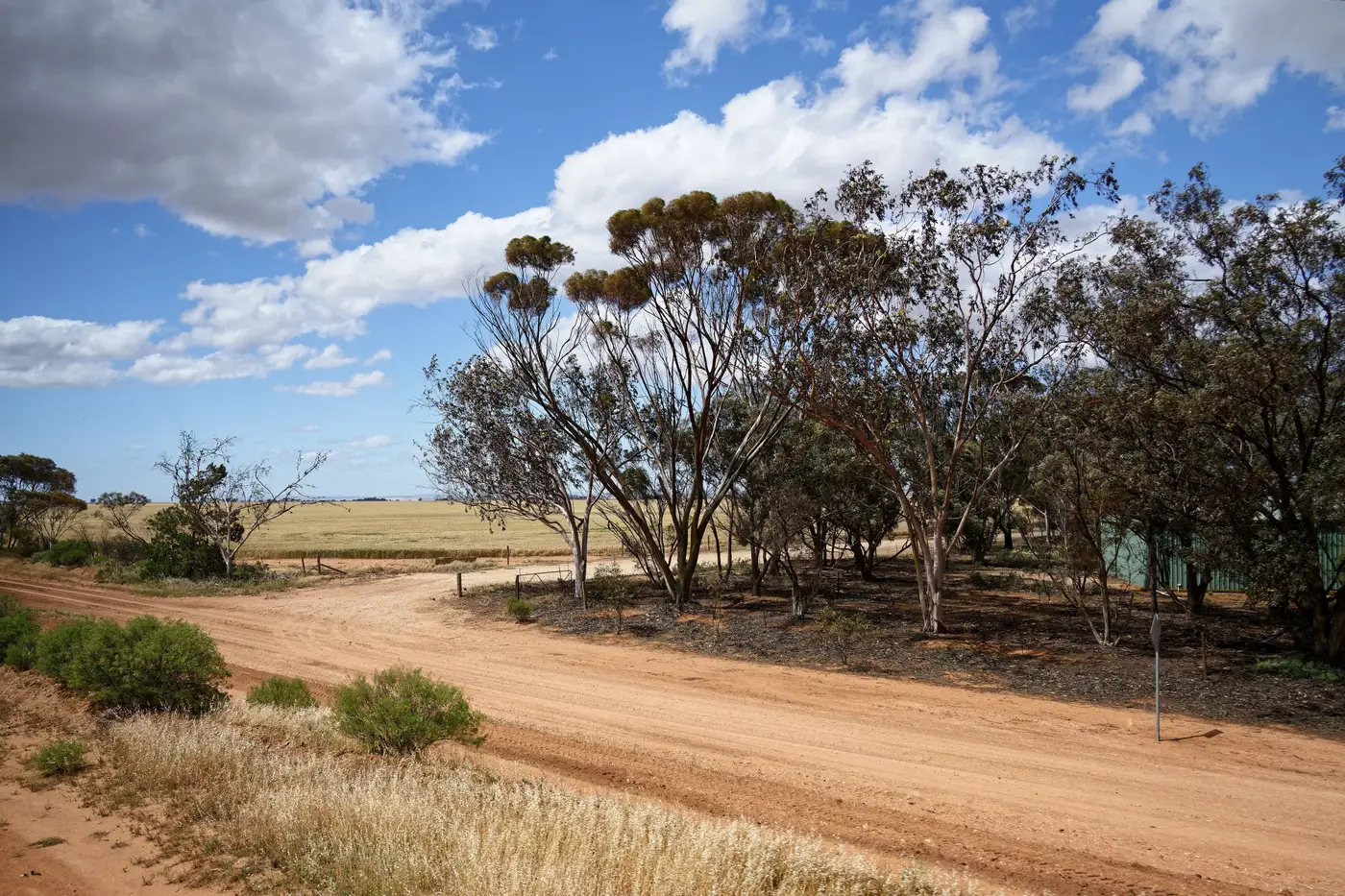
If you've spent any time reconciling a shire's water records, you've probably run into both terms used almost interchangeably. They're not the same thing, and the difference is exactly where most of the unlicensed take in a catchment hides.
A water licence register is the entitlement side of the ledger. It lists who holds what: the licence number, the entitlement volume, the water source, any conditions attached to the take, and usually the works approval that let the holder build the pump site or offtake in the first place. It's a legal record. If someone's name and property aren't in it, they don't have a right to take water from that source, full stop.
A dam compliance register is a physical-asset record, or at least it's supposed to be one. It's meant to track actual storages on the ground: capacity, wall height where that's regulated, location, and whether each structure was built under an approval or just appeared one wet season. In most districts this register is patchier than the licence register, built from a mix of aerial surveys, self-reporting, and whatever an inspector happened to note on a drive-by years ago.
What the licence register actually proves
The licence register proves entitlement. It tells you what someone is allowed to take, under what conditions, and when that right was granted. It says nothing about whether the infrastructure on the property matches that entitlement. A farmer can hold a perfectly valid licence for 40 ML and still have a ring tank on the next paddock that was never part of the application, drawing from the same creek.
This is the part that trips up a lot of desk audits. Pulling a clean licence register and assuming the catchment is accounted for confuses "this person has a right" with "this person's infrastructure matches that right." They're different questions, and the licence register only answers the first one.
What the compliance register is supposed to catch
The compliance register's job is the second question: does what's built on the ground match what was approved. In theory it should flag a new header pipe to a river frontage, a dam expanded past its original storage volume, or a pump site that moved fifty metres downstream from where the works approval said it would sit. In practice, most compliance registers are only as current as the last physical inspection round, and districts running annual drive-bys or relying on neighbour complaints end up with a register that's several seasons behind the ground truth.
That lag is the real gap: the compliance register often can't see what's changed since it was last updated, while the licence register keeps recording entitlements as if nothing on the ground has moved.
Why this distinction matters at audit time
An entitlement audit worth the name has to check both sides and the gap between them. The licence register tells you who's entitled. A current compliance register, or something that functions like one, tells you whether the storages and offtakes actually on site still match what was approved. Treating the licence register as proof of compliance is the mistake that lets a header pipe or an expanded ring tank sit unflagged for years, because nobody's licence application changed, even though the infrastructure did.
Practically, this means an auditor needs a way to see new or altered storages across the whole catchment without relying on the next complaint or the next scheduled flyover to surface them. A yearly satellite pass over the district can put candidate structures (new dams, expanded ring tanks, unlisted header pipes) against the current licence register as a single layer, so you know where the compliance register is lagging the ground before you plan the season's site visits.
If closing that gap for your district is the problem on your desk right now, that's the use case Farm Dam Detection exists for.